














A Detailed Explanation of Micro-Arc Oxidation Technology: A Comprehensive Analysis of the Ceramic Coating Process for Aluminum, Magnesium, and Titanium Alloys
Excerpt:
Micro-arc oxidation, also known as micro-plasma oxidation, is an advanced surface treatment technology that enables the in-situ growth of ceramic coatings on the surfaces of valve metals such as aluminum, magnesium, and titanium, providing lightweight alloys with exceptional wear resistance, corrosion resistance, and insulation properties.
Article Catalog[Hidden]
- What Is Micro-Arc Oxidation? An Introduction to Surface Treatment Processes for Light Alloys
- A Detailed Explanation of the Basic Principles and Reaction Apparatus of Micro-Arc Oxidation
- Micro-Arc Oxidation Process Flow
- Composition of Micro-Arc Oxidation Coatings: Distribution Patterns of α-Al?O? and γ-Al?O?
- Comparison of Micro-Arc Oxidation Coatings on Different Metallic Materials
- Characteristics of Micro-Arc Oxidation Technology: A Comprehensive Comparison of Advantages and Limitations
- Factors Affecting the Properties of Micro-Arc Oxidation Coatings: 8 Key Process Parameters
- Applications of Micro-Arc Oxidation Technology: From Aerospace to Automotive Manufacturing
- Frequently Asked Questions (FAQ) About Micro-Arc Oxidation Technology
- Summary: Micro-Arc Oxidation Technology—The Future of Light Alloy Surface Treatment
In high-end manufacturing sectors such as aerospace, automotive, and 3C electronics, the surface treatment of lightweight alloys (aluminum, magnesium, and titanium alloys) has long been a key technical bottleneck limiting their application. Traditional anodizing processes have numerous shortcomings in terms of hardness, wear resistance, and corrosion resistance. Micro-arc oxidation (MAO), as an emerging green surface treatment process, fundamentally solves the challenge of surface strengthening for light alloys by growing ceramic coatings in situ on the metal surface. This article provides a comprehensive analysis covering the principles of micro-arc oxidation, the process flow, coating structure, technical characteristics, and industrial applications.
What Is Micro-Arc Oxidation? An Introduction to Surface Treatment Processes for Light Alloys
Definition of the Concept of Micro-Arc Oxidation Technology
Micro-arc oxidation, also known as micro-plasma oxidation, is a process that combines an electrolyte with specific electrical parameters to generate instantaneous high temperatures and pressures on the surfaces of valve metals such as aluminum, magnesium, and titanium through arc discharge, thereby depositing a ceramic coating composed primarily of the base metal’s oxides.
This technology can be used to grow ceramic coatings with various properties on the surfaces of valve metals and their alloys, such as protective coatings that are wear-resistant, corrosion-resistant, and resistant to thermal shock, as well as functional ceramic coatings that are catalytic, biocompatible, or gas-sensitive.
A Detailed Explanation of the Basic Principles and Reaction Apparatus of Micro-Arc Oxidation
Basic Principles of Micro-Arc Oxidation Technology
The basic principle of micro-arc oxidation is to push the operating voltage beyond the range of conventional anodic oxidation (the Faraday zone) into the high-voltage discharge zone, where a micro-plasma discharge occurs on the electrode, leading to the in-situ formation of an oxide film on the substrate material (electrode). The micro-arc oxidation process is the sum of many fundamental processes, accompanied by complex phenomena such as thermochemical reactions, electrochemical reactions, and mass transport between conductive electrodes.
Components of a Micro-Arc Oxidation Reactor
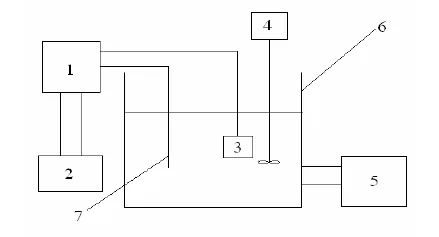
1: Power Supply 2: Electrical Parameter Control System 3: Test Sample 4: Stirrer 5: Cooling System 6: Electrolytic Cell 7: Cathode
01
Stage 1: Anodizing Stage
In the early stages of micro-arc oxidation, the metallic luster gradually fades, bubbles form on the material’s surface, and a very thin, porous insulating film develops on the workpiece’s surface.
02
Phase 2: Spark Discharge Phase
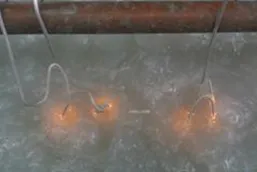
As the voltage increases, the oxide film breaks down, and dense, moving sparks appear on the surface of the aluminum alloy.
03
Stage 3: Micro-arc Oxidation Stage
The voltage remains nearly constant, and through repeated breakdown, melting, cooling, and solidification of the oxide film layer, the film thickness is further increased,This stage plays a decisive role in the performance of the membrane layer..
04
Phase 4: Arc Extinguishing Phase
As the film continues to thicken, it becomes increasingly difficult for the electric current to break through it. If the film is breached in a certain area, the resulting high discharge energy will cause ablation on the surface.
Micro-Arc Oxidation Process Flow
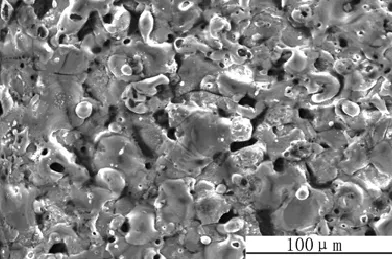
Surface Morphological Characteristics of Micro-Arc Oxidation Coatings
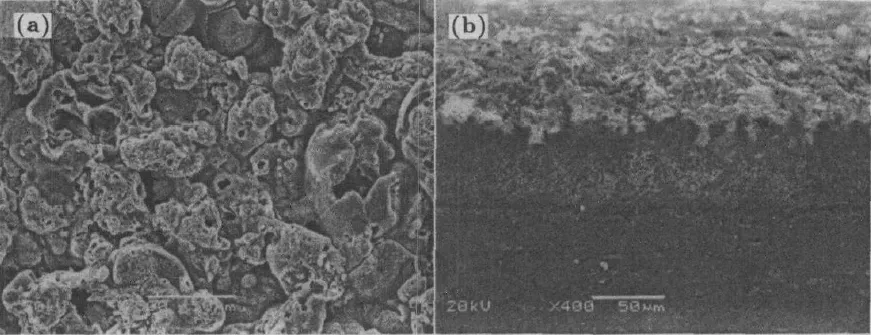
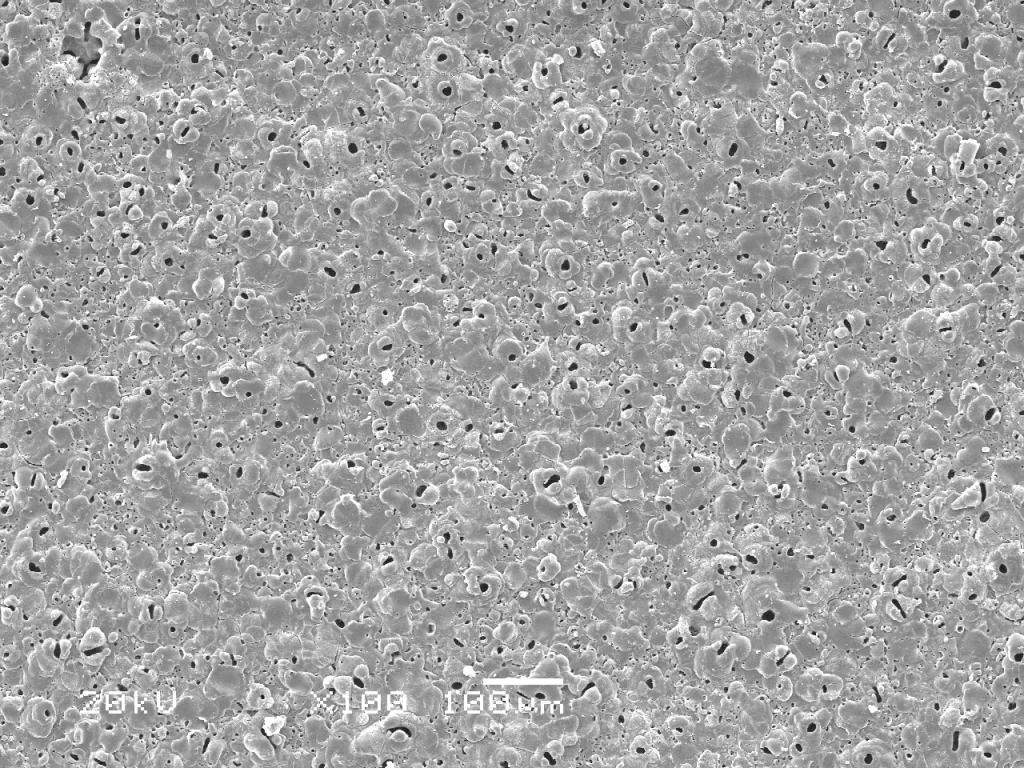
As can be seen from the surface morphology, the membrane surface exhibits There are many residual discharge holes, with signs of melting around them....which indicates that the temperature at the moment of discharge is indeed very high.
Analysis of the Cross-Sectional Structure of Micro-Arc Oxidation Coatings
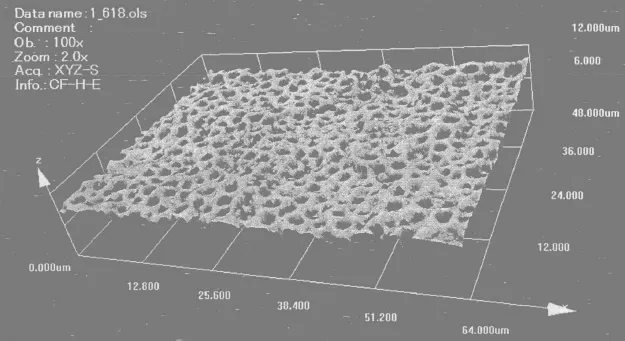
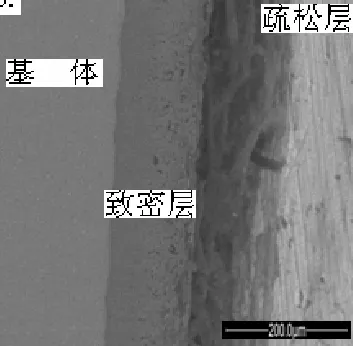
Aluminum alloy micro-arc oxidation coatings have A two-layer structure consisting of a dense layer and a porous layerThere are no large pores at the interface between the oxide film and the substrate, and the interface bonding is strong. Research shows that the dense layer has an alumina structure, with a volume fraction of α-Al?O? as high as 50%, which is bonded to γ-Al?O?, thereby imparting high hardness to the deposited layer. The dense layer consists of fine grains and exhibits high hardness and high insulation resistance; the porous layer consists of coarser grains and contains numerous voids, with many microcracks extending inward from the periphery of these voids.
Composition of Micro-Arc Oxidation Coatings: Distribution Patterns of α-Al?O? and γ-Al?O?
The oxide film structure of the aluminum alloy consists of α-Al?O?, γ-Al?O?, and a certain amount of a composite sintered phase. From the outer surface to the interior of the film, the volume fraction of α-Al?O? gradually increases, while that of the γ-Al?O? phase gradually decreases.
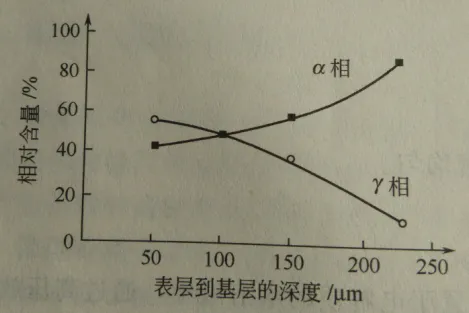
Key Finding: The α-Al?O? content determines the hardness of the coating
The dense layer contains up to 50% or more of α-Al?O? (corundum structure), which is the fundamental reason for the micro-arc oxidation coating’s high hardness and excellent wear resistance. From the outer to the inner part of the coating, the α phase gradually increases while the γ phase gradually decreases, forming a gradient functional structure.
Comparison of Micro-Arc Oxidation Coatings on Different Metallic Materials
Titanium Alloy Micro-Arc Oxidation Coating (Ti6Al4V)
The micro-arc oxidation coating formed on the surface of Ti alloys consists primarily of rutile-type TiO? and anatase-type TiO? phases, along with small amounts of other reaction-derived deposits such as TiAl?O?.
Aluminum Alloy Micro-Arc Oxidation Coating (LY12)
The micro-arc oxidation coating formed on the surface of Al alloys consists primarily of α-Al?O? and γ-Al?O? phases, along with small amounts of other reaction products such as Al-Si-O.
Magnesium Alloy Micro-Arc Oxidation Coating (AZ91D)
It consists primarily of this phase, with a small amount of other reaction precipitates, Mg?SiO?.
etc.
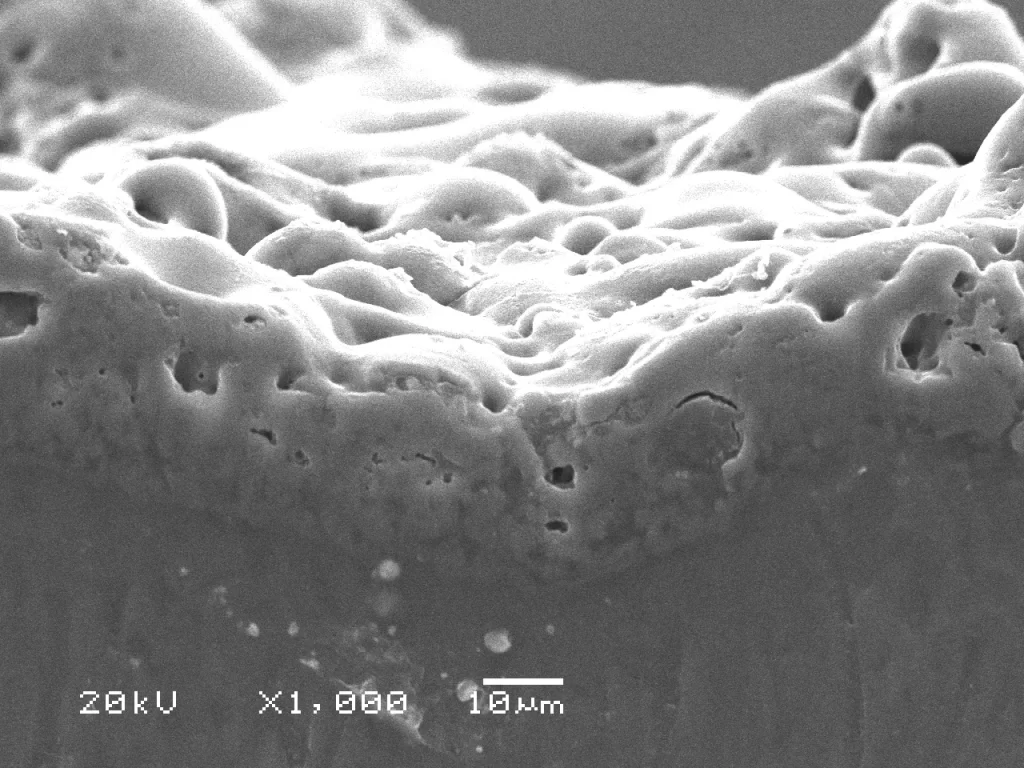
The micro-arc oxidation coating on magnesium alloy surfaces consists primarily of MgO and MgO? phases, along with small amounts of other reaction by-products such as Mg?SiO?. Micro-arc oxidation treatment of magnesium alloys can significantly improve their corrosion resistance.
Characteristics of Micro-Arc Oxidation Technology: A Comprehensive Comparison of Advantages and Limitations
Advantages of Micro-Arc Oxidation Technology
- The reaction takes place in solution and is highly adaptable to the shape of the parts; a coating can form wherever the solution reaches.
- The electrolyte does not contain any harmful substances, and the reaction process does not pollute the environment.
- High hardness (HV: 500–2500), excellent wear resistance, and strong bonding to the substrate
- The film layer can withstand extreme temperature fluctuations and has good thermal compatibility.
- Excellent insulation properties, with a breakdown voltage of 3,000–5,000 V
- It has a smooth surface finish and is easy to color, making it suitable for use as a decorative coating.
- Low cost, simple operation, and suitable for large-scale production
Limitations of Micro-Arc Oxidation Technology
- The membrane layer has a honeycomb-like porous structure, and the thickness of the effective protective layer at the bottom of the pores is much less than the total thickness.
- The membrane layer contains a large amount of matrix metal oxides and hydroxides, which readily react with acidic media, limiting its range of applications.
- The total film thickness is relatively small (<300 μm), and the dense layer accounts for only about one-fifth of the total thickness, which affects the service life.
- High energy consumption—operates under high-voltage, high-current conditions, making it difficult to increase the machining area per workpiece
Factors Affecting the Properties of Micro-Arc Oxidation Coatings: 8 Key Process Parameters
The properties of micro-arc oxidation coatings are influenced by a combination of various process parameters, and proper control of these parameters is key to obtaining high-quality coatings.
The Effect of Current Density on Micro-Arc Oxidation
- The higher the current density, the faster the oxide film grows, resulting in increased film thickness; however, this makes the film more prone to burnout.
- As the current density increases, the breakdown voltage rises, and the surface roughness of the film also increases.
The Effect of Oxidation Time on Micro-Arc Oxidation
- As the oxidation time increases, the film thickness increases, but there is a limit to the film thickness.
- As time increases, the density of surface micropores decreases, but the surface roughness increases; when dissolution and deposition reach a dynamic equilibrium, the surface roughness actually decreases.
The Effect of Oxidation Voltage on Micro-Arc Oxidation
- Low pressure results in a membrane with small pore sizes and a high number of pores; high pressure results in a membrane with large pore sizes and fewer pores, but the film forms more quickly.
- If the voltage is too low, the coating will be thin, pale in color, and have low hardness; if the voltage is too high, localized breakdown of the coating is likely to occur, which is detrimental to corrosion resistance.
The Effect of Solution Temperature on Micro-Arc Oxidation
- At low temperatures, the oxide film grows rapidly, is dense, and exhibits better performance; however, if the temperature is too low, the oxidation process is weaker.
- At excessively high temperatures, the alkaline electrolyte’s dissolving effect on the oxide film increases, causing a significant decrease in film thickness and hardness; furthermore, the solution is prone to splashing.
The Effect of Power Supply Frequency on Micro-Arc Oxidation
- At high frequencies, the film growth rate is high, the pore size is small and uniformly distributed, and the surface is smooth and dense.
- At low frequencies, the pores in the microporous material are large and deep, making the test specimens extremely susceptible to burn damage.
The Effect of Duty Cycle on Micro-Arc Oxidation
- In constant-voltage mode, increasing the duty cycle increases the film growth rate and gradually roughens the surface.
- At high frequencies, the higher the duty cycle, the greater the surface roughness of the ceramic layer; the lower the duty cycle, the lower the surface roughness.
The Effect of pH on Micro-Arc Oxidation
- If the pH is too high or too low, the dissolution rate increases, and the growth rate of the oxide film slows down.
- An appropriate pH range is essential for ensuring the quality of the membrane coating.
The Effects of Solution Concentration and Conductivity
- Solution concentration affects the film-forming rate, surface color, and roughness of the membrane.
- Solution Conductivity Affects the Growth Rate and Density of Micro-Arc Oxidation Coatings
Applications of Micro-Arc Oxidation Technology: From Aerospace to Automotive Manufacturing
In Russia, micro-arc oxidation technology has been successfully applied to high-speed textile components for many years due to the ceramic coating’s excellent wear resistance and strong adhesion to the substrate. Countries such as the United States, Germany, and Italy also make extensive use of micro-arc oxidation technology in the automotive, telecommunications, and aerospace industries. Currently, micro-arc oxidation has been adopted by numerous companies in China for industrial production and has become an alternative to many traditional surface treatment methods.
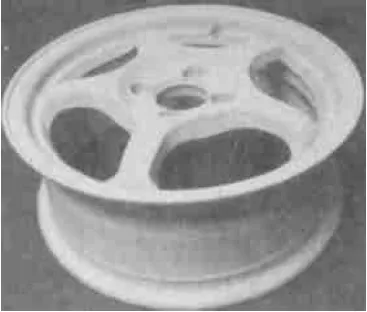
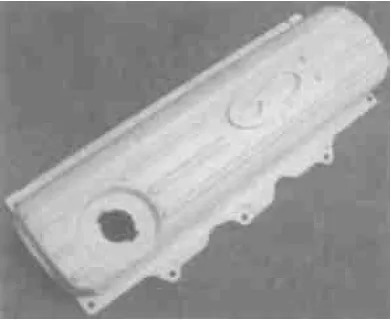
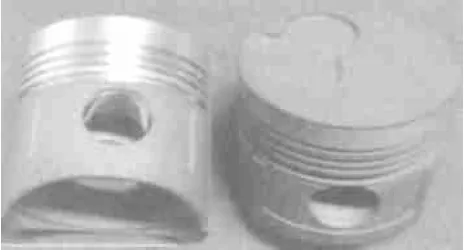
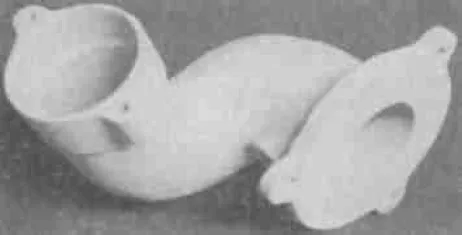
Magnesium Alloy High-Pressure Hot Water Heat Exchange Tubes
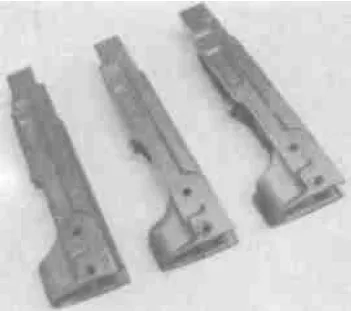
Overview of Applications for Micro-Arc Oxidation
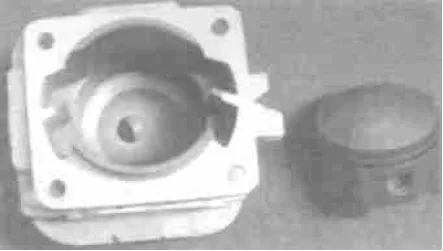
Micro-arc oxidation technology has been widely adopted in the aerospace, automotive manufacturing, textile machinery, telecommunications and electronics, and defense industries. It is suitable for applying wear- and corrosion-resistant surface treatments to various light alloy components, such as engine blocks, pistons, wheel hubs, firearm components, and heat exchanger tubes.
Frequently Asked Questions (FAQ) About Micro-Arc Oxidation Technology
What is micro-arc oxidation technology?
Micro-arc oxidation (MAO), also known as micro-plasma oxidation, is a process that combines an electrolyte with specific electrical parameters to generate instantaneous high temperatures and high pressures on the surfaces of valve metals such as aluminum, magnesium, and titanium through arc discharge, thereby forming a ceramic coating composed primarily of the base metal’s oxides.
What is the difference between micro-arc oxidation and traditional anodizing?
Micro-arc oxidation breaks through the Faraday zone operating voltage range of traditional anodizing, entering the high-voltage discharge zone, where micro-plasma discharge occurs on the electrode, resulting in the in-situ formation of a ceramic oxide coating. Compared to traditional anodizing, micro-arc oxidation coatings exhibit higher hardness (HV 500–2,500), better wear resistance, superior electrical insulation (breakdown voltage of 3,000–5,000 V), and a stronger bond with the substrate.
For which metal materials is micro-arc oxidation suitable?
Micro-arc oxidation is primarily suitable for valve metals, including lightweight alloys such as aluminum alloys, magnesium alloys, and titanium alloys. The composition of the coatings formed on different metals varies: for aluminum alloys, the coatings consist primarily of α-Al?O? and γ-Al?O?; for titanium alloys, they consist primarily of rutile-type TiO? and anatase-type TiO?; and for magnesium alloys, they consist primarily of MgO and MgO?.
What are the advantages and disadvantages of micro-arc oxidation coatings?
Advantages: High adaptability to part shapes, environmentally friendly and non-polluting, high hardness (HV 500–2500), good wear resistance, excellent thermal compatibility, superior insulation properties (dielectric breakdown voltage 3,000–5,000 V), smooth surface that is easy to color, low cost, and suitable for mass production. Disadvantages: The coating has a honeycomb-like porous structure; limited resistance to acidic media; relatively thin total coating thickness (<300 μm); and high energy consumption.
In which industries is micro-arc oxidation primarily used?
Micro-arc oxidation technology has been widely adopted in the aerospace, automotive manufacturing, textile machinery, telecommunications and electronics, and defense industries. Typical applications include surface treatments to enhance wear and corrosion resistance for light alloy components such as engine blocks, pistons, magnesium alloy wheel rims, firearm components, and high-pressure heat exchange tubes.
Looking for surface treatment solutions for light alloys?
He Xin Molding is committed to providing manufacturing companies with professional micro-arc oxidation technical consulting and surface treatment services. Please feel free to contact us for more information.Contact
Summary: Micro-Arc Oxidation Technology—The Future of Light Alloy Surface Treatment
As an environmentally friendly surface treatment process with outstanding performance, micro-arc oxidation (MAO) demonstrates tremendous application potential in the field of light alloy surface strengthening. With the continuous optimization of process parameters and advances in equipment technology, micro-arc oxidation is expected to replace traditional surface treatment technologies in an increasing number of industrial sectors, providing more reliable surface protection solutions for the widespread application of light alloys.