A Complete Guide to Electrocoating: A Comprehensive Analysis from Principles to Applications
2026-08-17
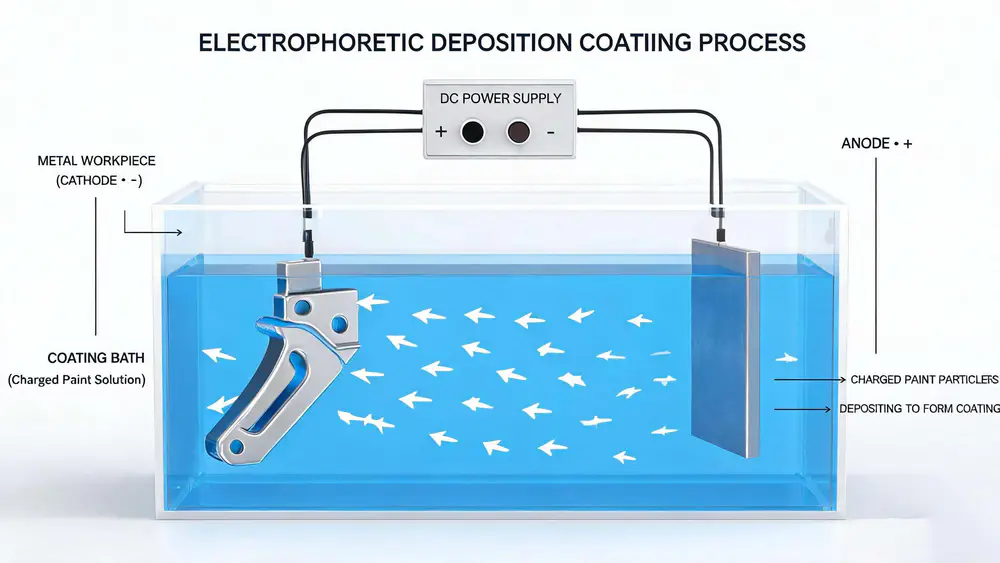
Electrophoretic coating is a coating technology in which paint is deposited in a directed manner onto the surface of a workpiece within an electric field. In the English name, "electro" refers to electroplating, electric, or electrolysis; "phoretic" refers to interatomic conductivity; and "deposition" refers to a deposit or precipitate. In Chinese, it is also known as electrophoretic coating, electrophoretic paint, or electrophoretic lacquer.
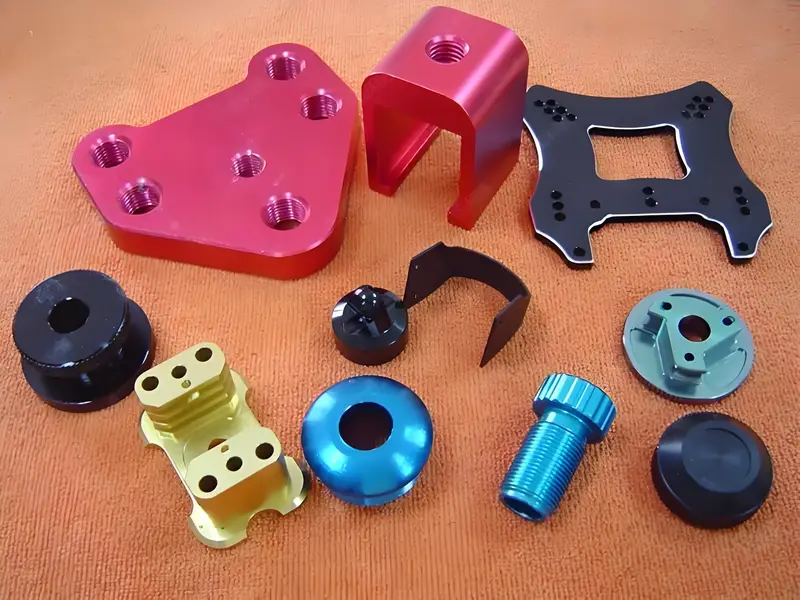
Electrophoretic coating is a specialized coating method that uses an applied electric field to cause particles such as pigments and resins suspended in an electrophoretic bath to migrate in a specific direction and deposit on the surface of a substrate near the electrodes. As one of the core technologies in modern industrial coating, electrophoretic coating has been widely adopted in industries such as automotive manufacturing, hardware products, electronics and electrical appliances, construction, shipbuilding, and aerospace, thanks to its significant advantages, including high efficiency, strong adhesion, environmental friendliness, and low energy consumption.